EXHIBITIONS
Remembrance
Room
There were many victims of the Battle of Arnhem. Some died, others lived on. All were marked by their experiences during the Battle of Arnhem.
The Remembrance Room exhibits decorations from people who were involved in the Battle of Arnhem. Each of them did something admirable during these days. They fought at Arnhem or in Oosterbeek, they cared for the wounded, were in the resistance, or contributed in some other way to the fight against German occupation. Today, you can view their portraits and decorations and find their personal stories in the Remembrance Room.
The decorations in the Remembrance Room have mostly been donated by the recipients of the decorations or their families. New sets are regularly added to this room.
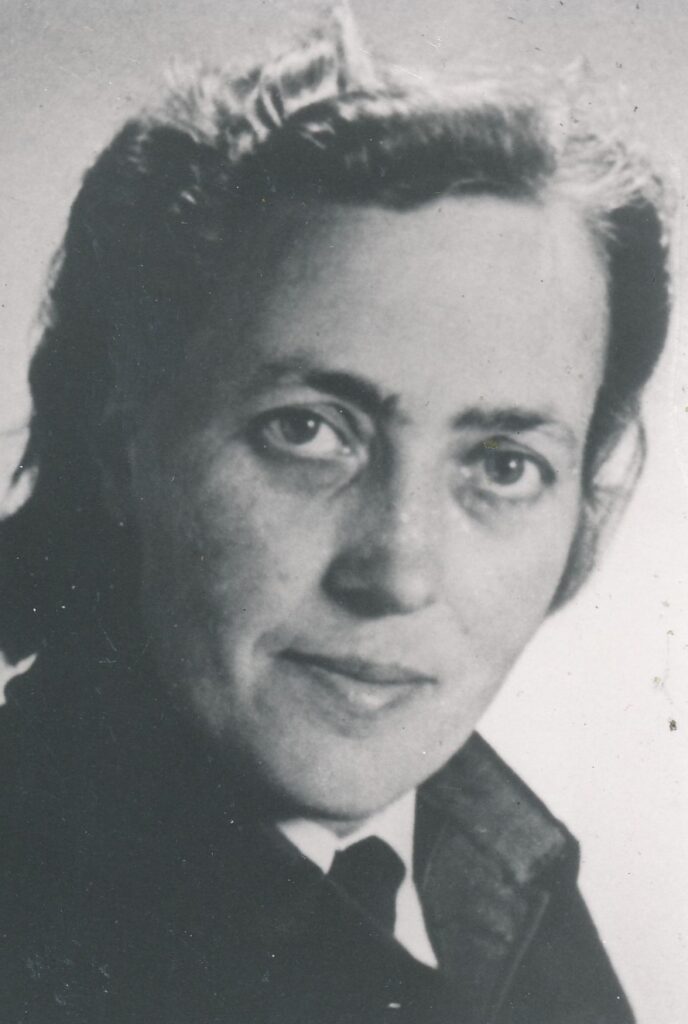
Cora Baltussen
Cora Baltussen lived in Driel and worked as a social worker at a textile factory in Helmond. At the start of Operation Market Garden, Cora was in Driel. On 21 September, she saw over 1,000 Polish paratroopers land there.
Cora made contact with the Polish Major General Sosabowski and became his contact for the local population. Together with other people giving first aid, she cared for the wounded day and night in Driel’s parish house. When the Battle of Arnhem was lost, Cora had to evacuate. After the liberation, she signed up with the Dutch Red Cross to help other evacuees.
The Polish troops were held partly responsible for the failure of the operation by the Allied army command after the battle, something Cora was very indignant about. She spent the rest of her life working to ensure the Polish soldiers were given the credit they deserved.
Bill Bradburn
Bill Bradburn enlisted in the British Army in February 1939. He served in the Royal Corps of Signals for several years before transferring to the Glider Pilot Regiment. On 17 September 1944, Bradburn took part in Operation Market Garden and landed his glider near Wolfheze.
Bradburn took part in the fighting in the Oosterbeek perimeter and fought near the Stationsweg, among other places. At the end of the battle, Bradburn managed to evacuate across the Rhine during Operation Berlin and returned to the UK. Bradburn later took part in Operation Varsity.
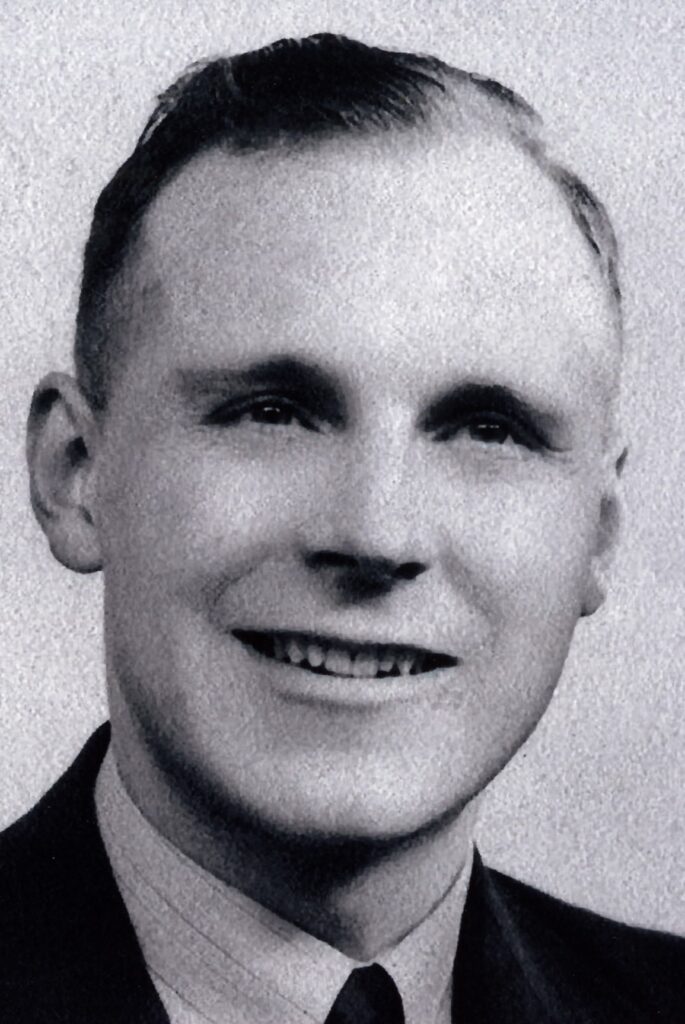

Lipmann Kessel
Lipmann Kessel studied medicine in London and was called up for military service in the Royal Army Medical Corps in 1942, after which he volunteered to join the airborne forces.
During the Battle of Arnhem, Captain Kessel worked as a surgeon at St Elisabeth’s Hospital. He performed many operations, even after the hospital fell into German hands. After the battle, Kessel and his team continued working at St Elisabeth’s Hospital until they were transferred to a hospital for allied prisoners of war in Apeldoorn. There, Kessel managed to escape. He came into contact with the resistance and was able to escape to Allied territory in February 1945.
For his actions in Arnhem, Lipmann Kessel was appointed a Member of the Order of the British Empire (MBE) and awarded a Military Cross (MC).